Country Snapshot
Capital: Kabul
Population: Around 40 million
Currency: Afghan Afghani
National Languages: Dari & Pashto
Continent: Asia
Meet the People
Afghanistan is home to Pashtun, Tajik, Hazara, and Uzbek communities. Families are close-knit and deeply respect traditions. Poetry and storytelling are very important in Afghan culture. Traditional clothing includes colorful dresses for women and long tunics (shalwar kameez) for men. Hospitality is a big value — guests are treated with warmth and honor.
The Flag Story
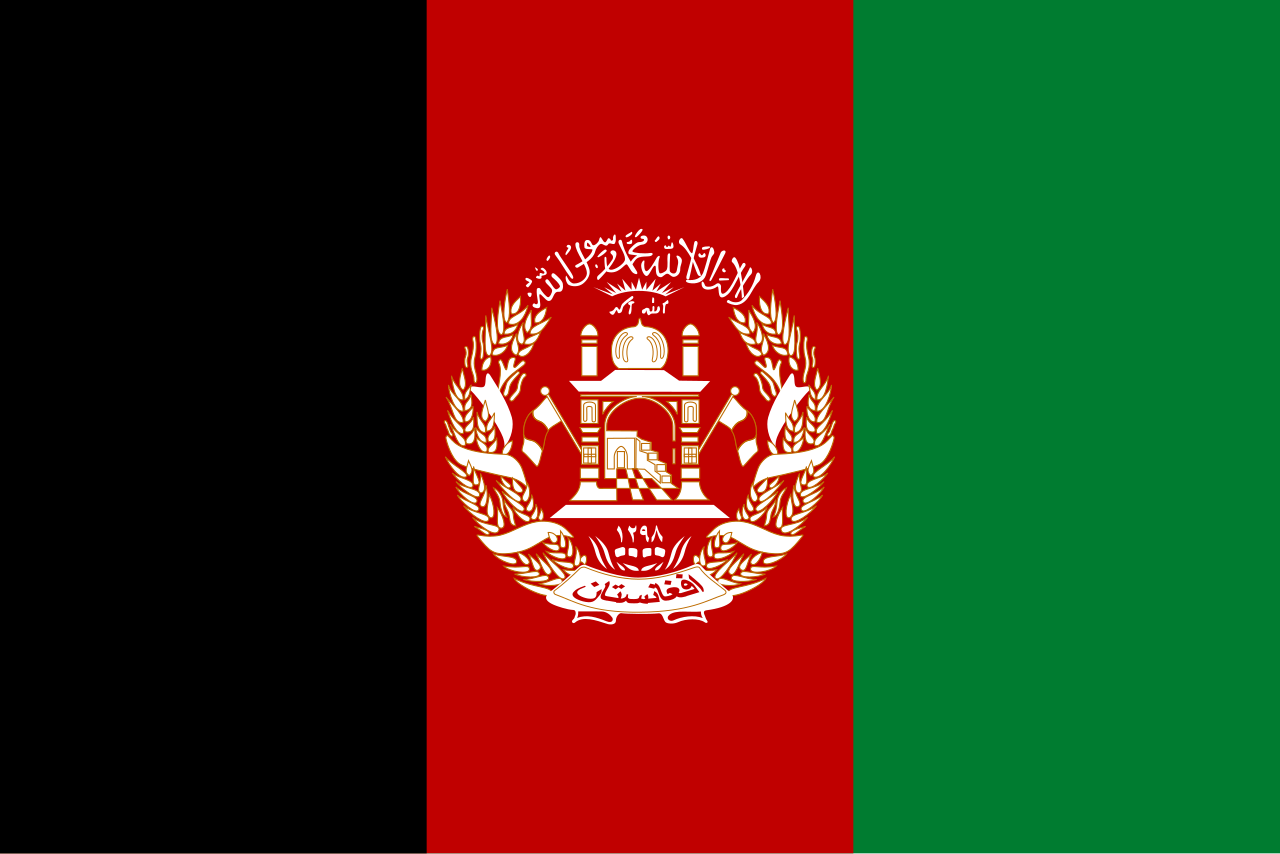
The flag traditionally features black (past struggles), red (bravery), and green (hope and prosperity). It represents resilience and pride. The national emblem often includes a mosque and wheat wreaths, symbolizing faith and agriculture.
Famous Monuments & History
Afghanistan was an important stop on the ancient Silk Road. The Bamiyan Buddhas (now ruins) once stood tall for over 1,500 years. The country has seen empires like the Persians, Greeks, and Mughals pass through its land.
What Does Afghanistan Produce?
Afghanistan is famous for saffron, dry fruits, pomegranates, and handwoven carpets. Afghan rugs are exported worldwide and are known for their intricate designs.
Festivals & Celebrations
Eid festivals are celebrated widely. Nawroz (Persian New Year) in spring is full of music, food, and traditional games like Buzkashi (a thrilling horse sport!).
Landscapes & Adventure
Afghanistan is mostly mountainous. The Hindu Kush mountain range makes the country dramatic and beautiful. Band-e Amir has stunning blue lakes surrounded by rocky cliffs.
Geo-Wow Fact
Afghanistan is landlocked — it has no sea or ocean coastline!
Explorer Mission
- Learn to say “Hello” in Dari: Salaam
- Draw a mountain range like the Hindu Kush.
Course Id
THNP5ZYNWhat you will learn
Lessons
This course includes
- Lessons 0
- Duration 10
- Level Beginner
- Deadline Mar 25 2026
- Certificate No